
League City or Santa Fe? How to Match Coastal Convenience or Big-Lot Living to Your Texas Move
League City or Santa Fe? Choosing Between Coastal Access and Room to Roam
For many buyers moving within Greater Houston, the choice is not simply about square footage or commute time. It is about the kind of daily life you want to build. One path points toward League City, where marinas, waterfront recreation, established neighborhoods, and quick access to Bay Area employers create a polished, connected lifestyle. The other leads to Santa Fe, where larger lots, a more rural pace, and the freedom to spread out appeal to buyers who want elbow room and a quieter rhythm.
Both communities can be strong fits, but they serve different priorities. If your Texas move is tied to boating, proximity to Clear Lake, or easier access to retail, dining, and major routes, League City often rises to the top. If you are dreaming about space for a workshop, garden, RV parking, animals, or simply fewer rooftops outside your window, Santa Fe may feel like the better match. The key is understanding how each place shapes not just your home search, but your week-to-week experience after the boxes are unpacked.
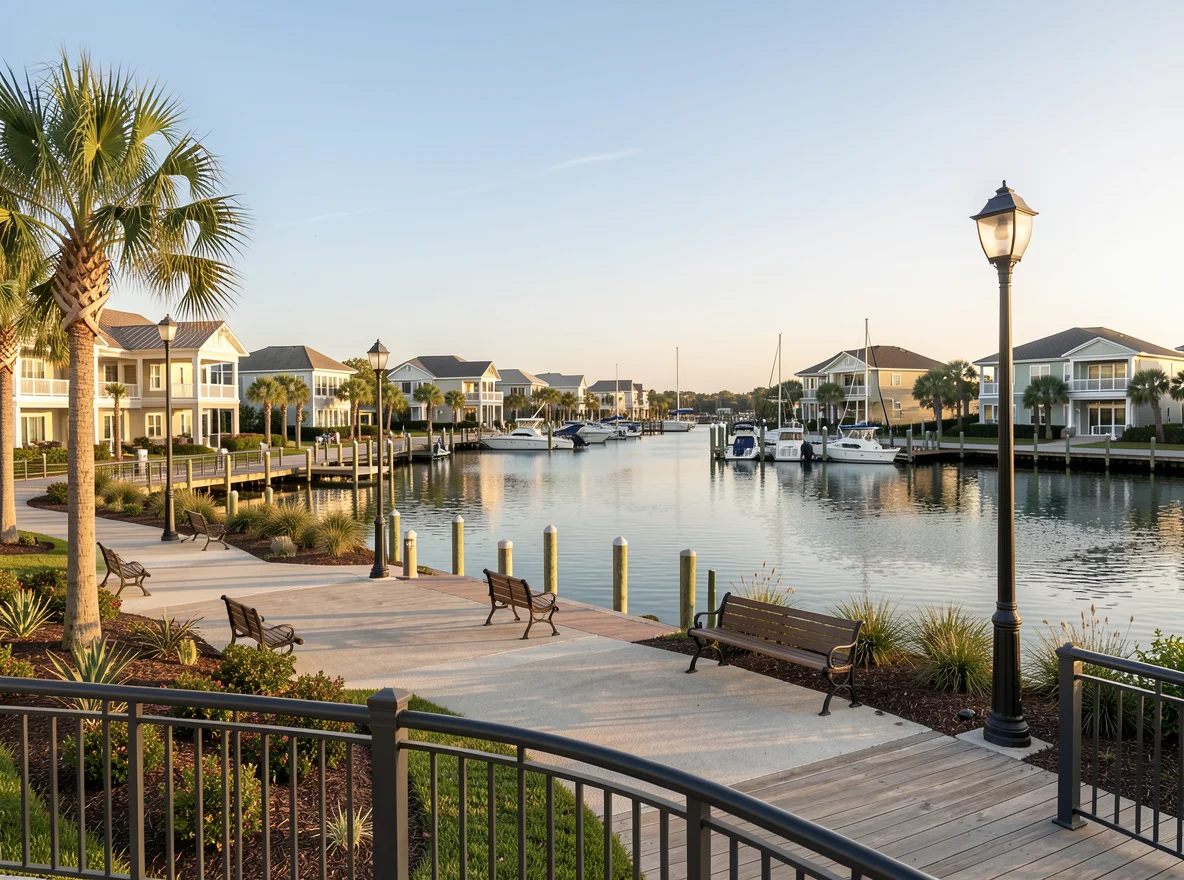
League City tends to win on convenience. Located between Houston and Galveston, it offers a practical middle ground for buyers who want suburban comfort with coastal flavor. Daily errands are easy, healthcare and retail are close at hand, and commuters often appreciate access to Interstate 45, FM 518, and nearby employment centers connected to aerospace, healthcare, energy, and maritime industries. The area also has a reputation for established master-planned neighborhoods, community amenities, and housing options that range from traditional family homes to upscale properties near water or golf.
There is also a lifestyle layer that draws people in. Weekends can include walks near the water, time on the boat, access to Kemah and Clear Lake attractions, and an overall sense of being plugged into a lively part of the region without living in Houston proper. For buyers who like having choices close by—parks, recreation, services, and social activity—League City delivers a more built-out environment. That does not mean every neighborhood feels busy, but the city generally offers more structure, more nearby amenities, and more of that “everything is within reach” feeling.
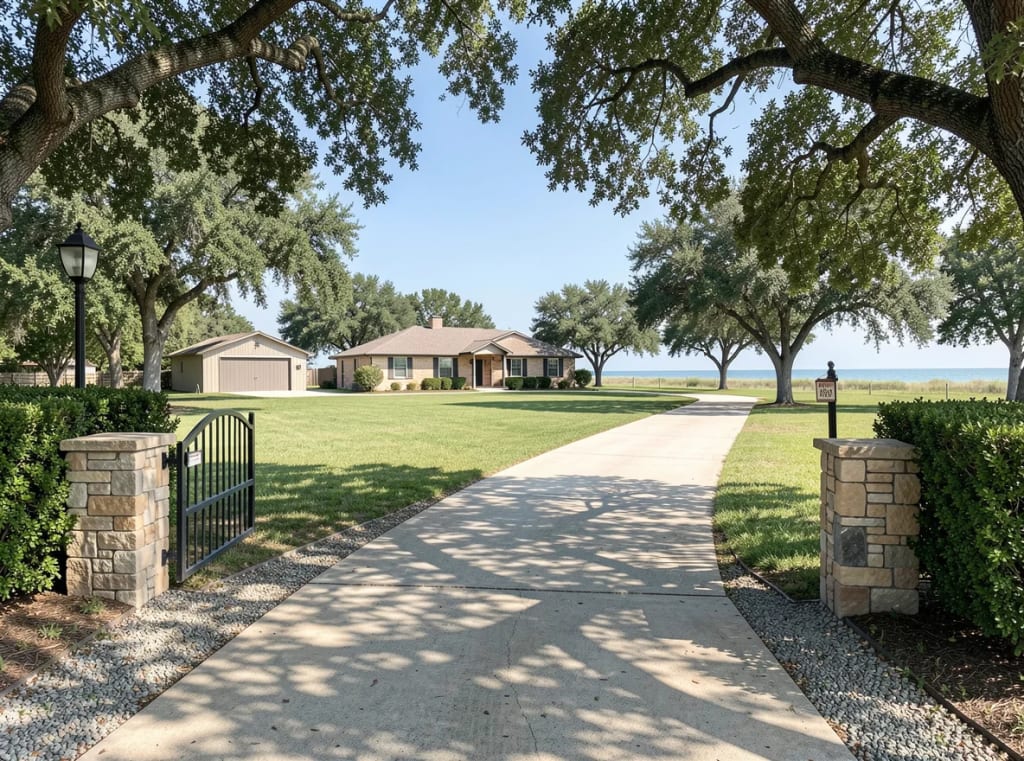
Santa Fe, by contrast, speaks to buyers who want breathing room. Homes often sit on larger parcels, and the surroundings can feel more open and less programmed. Instead of prioritizing marina access or polished subdivision amenities, many shoppers here are focused on flexibility: enough land for extra vehicles, outdoor projects, detached buildings, hobby farming, or future improvements. Buyers who have outgrown tightly packed neighborhoods often find Santa Fe refreshing because the value proposition is tied to usable land as much as the house itself.
What the Home Search Feels Like in Each Market
House hunting in League City usually means evaluating neighborhood character, school boundaries, flood-zone considerations, HOA structures, and commute patterns with some precision. You may compare a newer planned community against an older neighborhood with mature trees, or weigh a home with upscale finishes against one with stronger access to the waterfront. In many cases, the appeal is turnkey living: established streets, recognizable subdivisions, and homes designed for buyers who want convenience without sacrificing comfort.
In Santa Fe, the search often becomes more personal and property-specific. One home may come with acreage but need updates. Another might offer a newer build with room for a barn, workshop, pool, or future expansion. Utilities, drainage, septic systems, deed restrictions, and outbuilding allowances can play a bigger role than they would in a traditional suburban search. For some buyers, that extra due diligence is well worth it because it opens the door to a kind of ownership that feels more independent and adaptable.
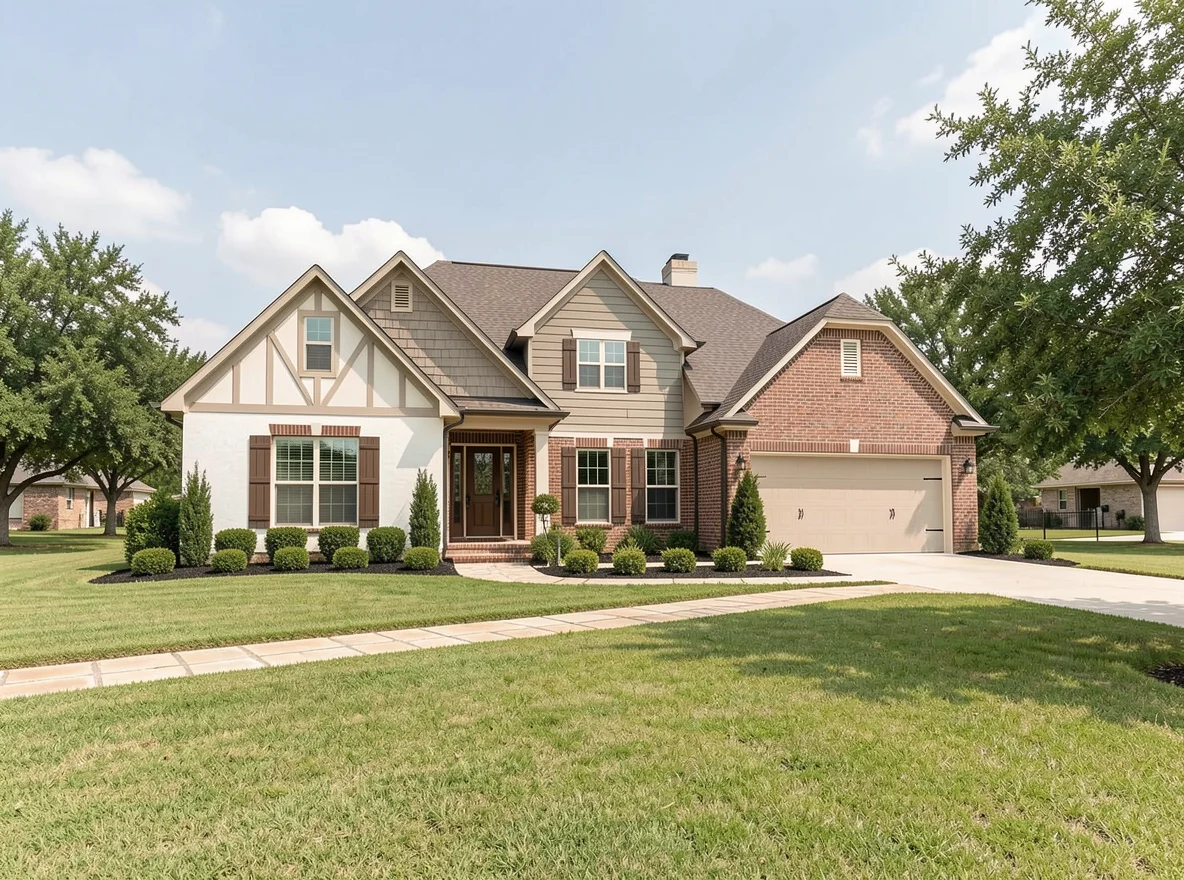
Schools and community feel matter too. League City is often attractive to households seeking a more suburban framework, with youth activities, organized neighborhoods, and access to highly trafficked community spaces. Santa Fe can appeal to buyers looking for a smaller-town feel where the pace is calmer and the landscape feels less defined by dense development. Neither is universally better; they simply support different definitions of comfort.
Dining and entertainment also follow that same pattern. League City gives residents faster access to a wider mix of casual outings, date-night options, waterfront experiences, and neighboring Bay Area destinations. Santa Fe buyers may accept a little more driving in exchange for land, privacy, and a less crowded home environment. If your ideal Saturday includes launching a boat, meeting friends nearby, or staying close to lively community nodes, League City has an edge. If your perfect weekend means grilling under a big sky, working in the garage, or letting the dogs run on your own property, Santa Fe starts to look very compelling.
From an investment perspective, both areas deserve careful evaluation through your personal goals. League City often attracts buyers who value stronger suburban demand patterns, neighborhood amenities, and long-term livability tied to location and convenience. Santa Fe can be especially appealing for people who believe land utility and lower-density living will remain desirable, particularly as buyers continue seeking homes that support storage, hobbies, remote work, and multigenerational flexibility. The right choice depends on whether your priority is polished accessibility or adaptable space.
How to Decide Which One Fits Your Texas Move
A simple way to frame the decision is to ask what you want more of every day. More access, or more space? More nearby activity, or more control over your property? More neighborhood structure, or more freedom to customize how you live? If you light up thinking about coastal access, established subdivisions, and staying connected to the Bay Area lifestyle, League City may be the natural fit. If your vision includes a shop building, a long driveway, room for equipment, or a quieter setting with fewer close neighbors, Santa Fe may be the smarter move.
The most helpful guidance usually comes from walking both paths with a clear strategy. A client-focused brokerage like Real Estate Options Of Texas can help buyers compare not just listings, but the everyday tradeoffs behind those listings—commute realities, lot utility, neighborhood restrictions, resale patterns, and the overall feel of each area. That kind of direct, relationship-driven support matters when two good options can lead to very different lifestyles.
In the end, this is not really a contest between two cities. It is a question of alignment. League City offers coastal convenience, activity, and suburban ease. Santa Fe offers land, flexibility, and a more open Texas lifestyle. When your home search reflects the life you actually want to live, the right answer becomes much easier to recognize.